Pollution Problems and Solutions
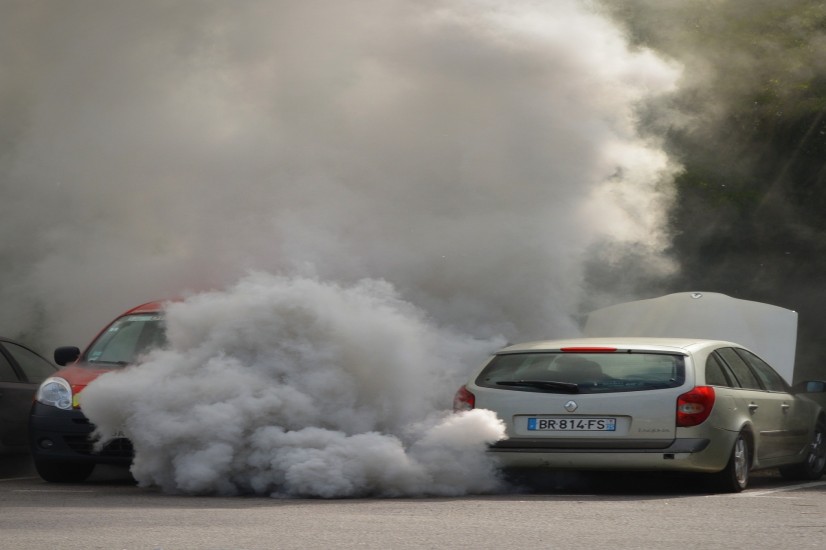
Problem: Air Pollution
In a densely populated urban area, vehicle emissions, industrial activities, and construction projects contribute to high levels of air pollution. Residents experience respiratory problems, exacerbated allergies, and reduced visibility due to smog and particulate matter in the air.
Solution:
- Implementing stricter emission standards for vehicles and industries to reduce the release of pollutants.
- Promoting the use of public transportation, cycling, and walking to decrease reliance on private vehicles.
- Investing in renewable energy sources and transitioning away from fossil fuels to mitigate air pollution from power plants and industrial facilities.
- Enhancing green spaces and urban forestry to absorb pollutants and improve air quality.
- Educating the public about the health impacts of air pollution and advocating for policy changes to address the root causes of the issue.
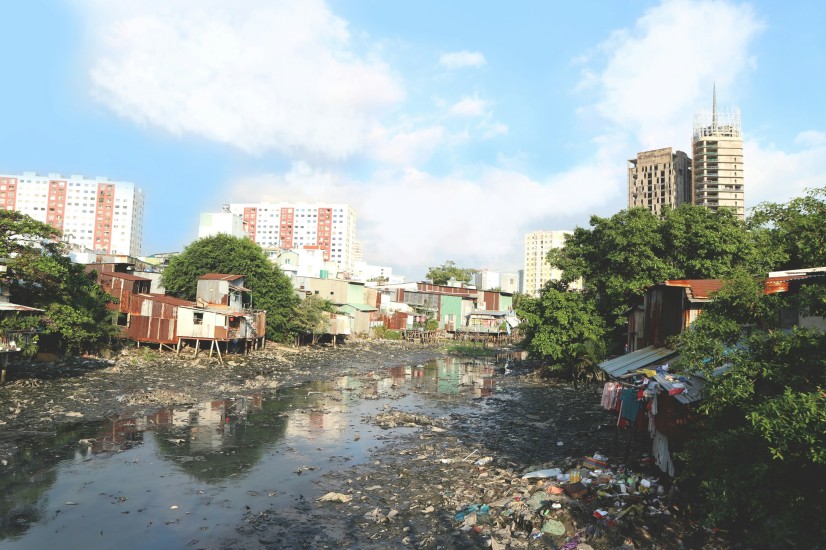
Problem: Water Pollution
In a rural agricultural area, runoff from farms carries pesticides, fertilizers, and animal waste into nearby water bodies, contaminating rivers and streams. This pollution harms aquatic life, reduces water quality, and poses risks to human health for those who rely on these water sources for drinking or recreation.
Solution:
- Implementing agricultural best management practices such as crop rotation, cover cropping, and precision farming to minimize runoff and reduce the use of harmful chemicals.
- Establishing riparian buffer zones along water bodies to filter pollutants and prevent sedimentation.
- Investing in wastewater treatment infrastructure to properly treat and dispose of sewage and industrial effluents.
- Conducting regular monitoring and testing of water quality to identify sources of pollution and track progress towards improvement.
- Engaging local communities in watershed management initiatives and promoting responsible water use practices to prevent further contamination.
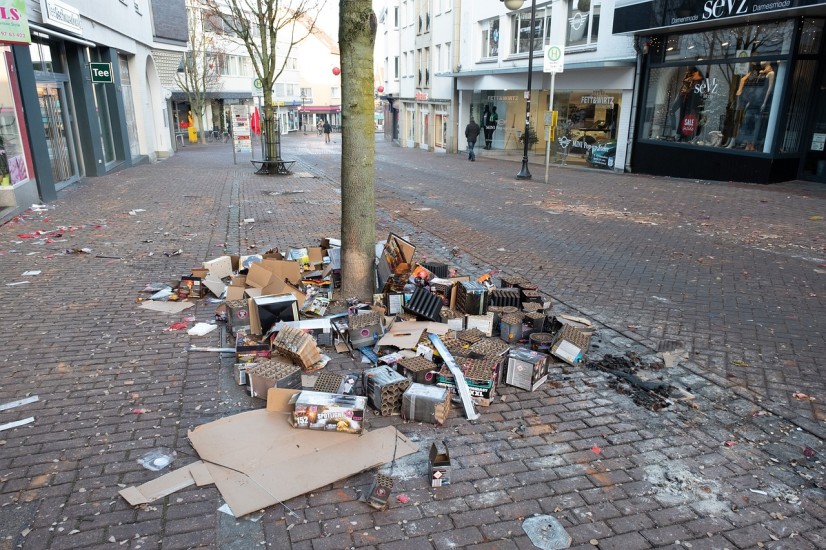
Problem: Soil Pollution
In an industrialized area, improper disposal of hazardous waste and industrial runoff have contaminated the soil with heavy metals, chemicals, and toxins. This pollution poses risks to human health, affects agricultural productivity, and disrupts ecosystem functioning.
Solution:
- Conducting soil remediation efforts to remove pollutants and restore soil health through techniques such as bioremediation, phytoremediation, and soil vapor extraction.
- Implementing pollution prevention measures in industrial processes to reduce the generation and release of harmful substances into the environment.
- Establishing regulatory frameworks and enforcement mechanisms to ensure proper handling, treatment, and disposal of hazardous waste.
- Promoting sustainable land use practices such as organic farming and soil conservation to minimize soil erosion and degradation.
- Educating communities about the importance of soil protection and encouraging responsible waste management practices to prevent further soil contamination.
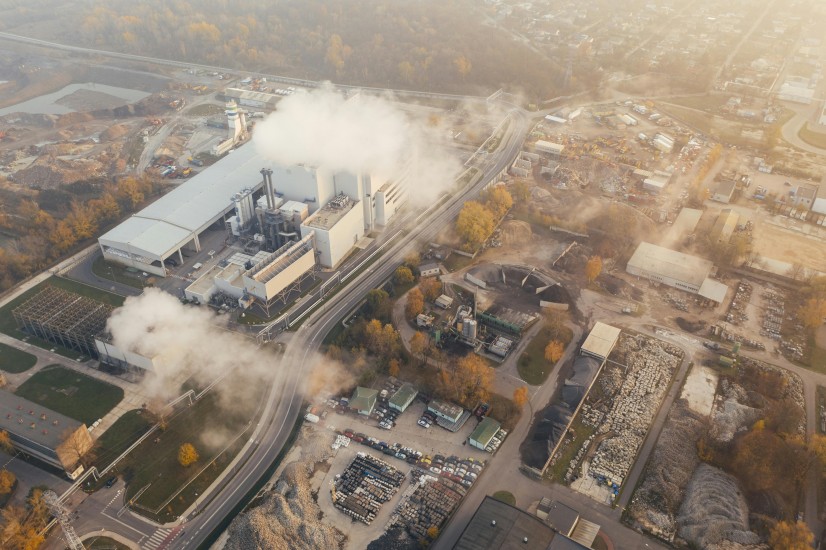
Problem: Noise Pollution
In an urban area, constant traffic, construction activities, and industrial operations generate high levels of noise pollution, leading to sleep disturbances, hearing loss, and increased stress among residents.
Solution:
- Implementing soundproofing measures in buildings and infrastructure to reduce noise transmission from external sources.
- Enforcing regulations and zoning laws to limit noise levels from industrial and commercial activities during sensitive hours.
- Designing urban spaces with greenery, water features, and natural barriers to mitigate noise pollution and create tranquil environments.
- Promoting the use of quieter technologies and equipment in transportation, construction, and manufacturing processes.
- Educating the public about the health effects of noise pollution and advocating for community engagement and dialogue to address noise-related concerns.

Problem: Light Pollution
In a suburban area, excessive artificial lighting from streetlights, outdoor advertising, and residential properties leads to skyglow, obscuring views of the night sky, disrupting natural light cycles, and affecting nocturnal wildlife.
Solution:
- Implementing lighting ordinances and regulations to control the intensity, direction, and timing of outdoor lighting and minimize light pollution.
- Using energy-efficient lighting technologies such as LED fixtures and motion sensors to reduce light spillage and energy consumption.
- Installing shields, timers, and dimmers on outdoor lights to direct light downwards and reduce glare.
- Designating dark sky areas and protected zones to preserve natural darkness and promote stargazing and astronomical observation.
- Raising public awareness about the ecological and aesthetic importance of preserving dark skies and encouraging responsible outdoor lighting practices.